




Retaining Walls

Top Retaining Wall Construction Services in Toronto

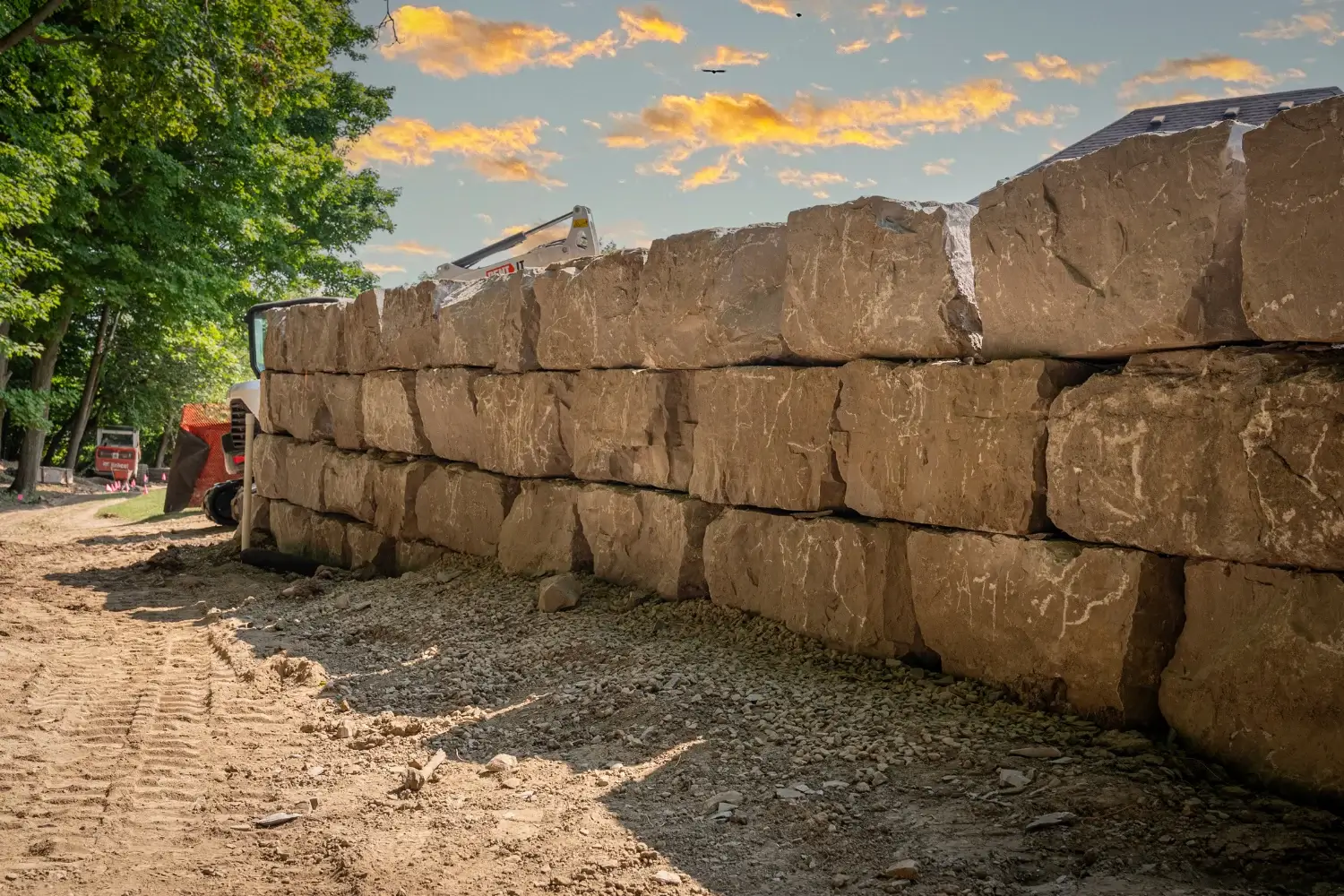
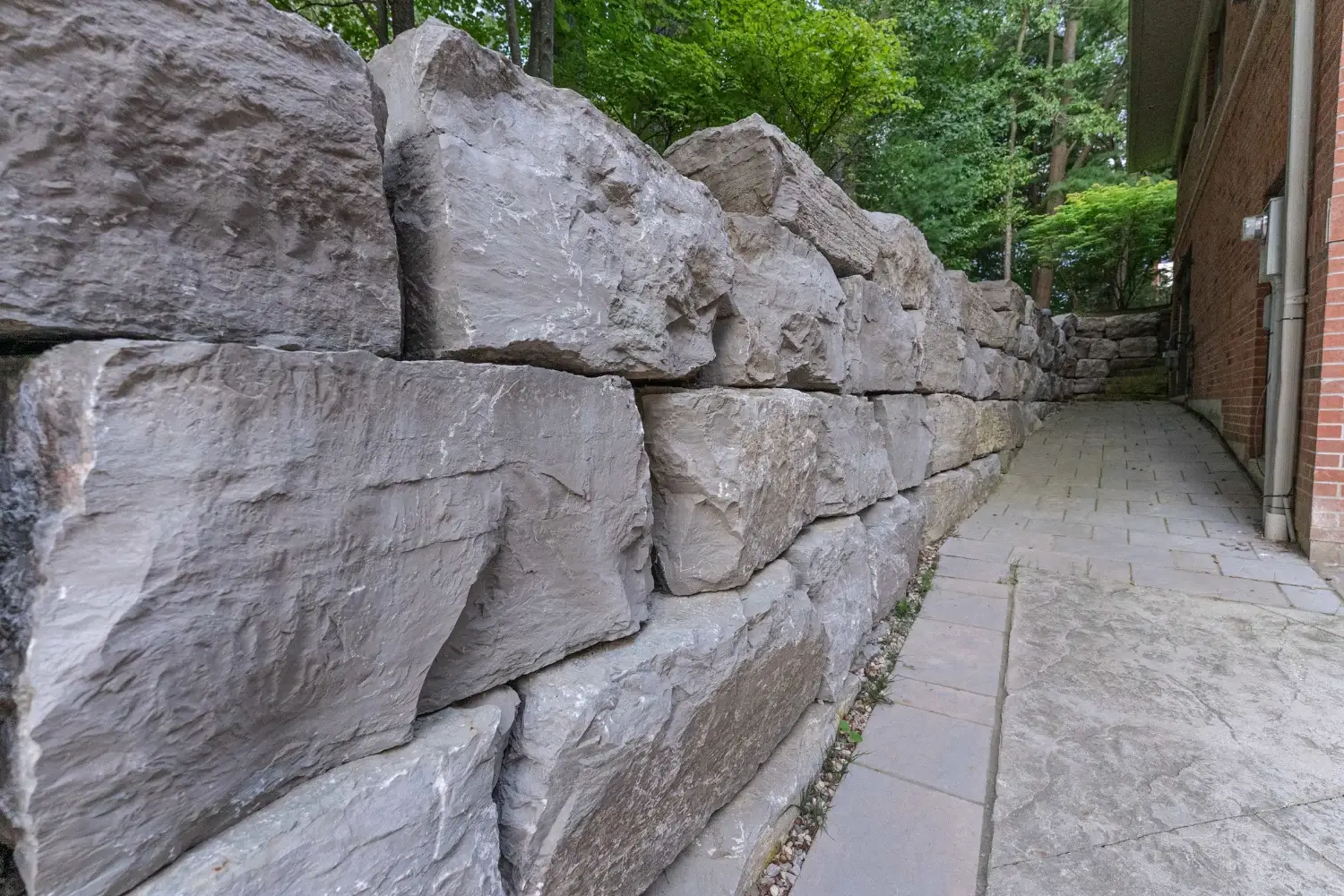
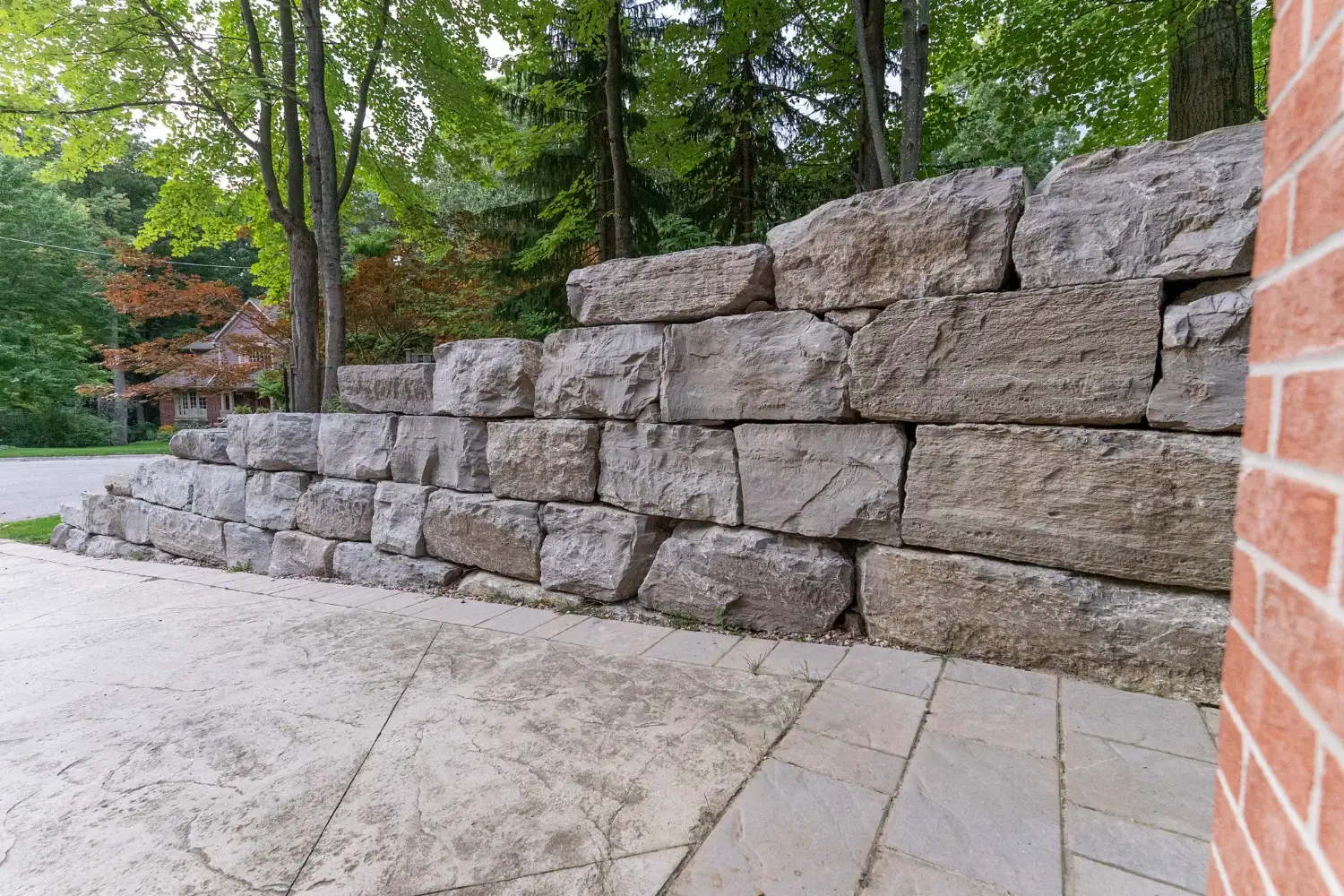
Retaining walls help hold back soil, reduce erosion, manage grade changes, and create more usable outdoor space. Action Home Services has helped property owners in Toronto and across the GTA design and build retaining walls that match municipal-level standards to ensure long-term structural stability. We also ensure your new retaining wall seamlessly blends into your overall outdoor area layout.

Perhaps your goal is to stabilize a sloped yard, define garden areas, implement erosion control, or create level sections for your interlocking patios, walkways, or other outdoor features. Our team will build custom retaining walls tailored to your property’s layout and needs. No cookie-cutter construction techniques or guesswork.

With 10+ years of landscaping and outdoor construction experience, our team builds outdoor hardscaping features that last for decades. Each project is backed by a 10-year workmanship warranty and product warranties (from manufacturers). Considering we have maintained a 5/5 Google rating, a 9.9/10 HomeStars rating, and received 2,000+ five-star reviews, Action Home Services remains one of the leading landscaping and retaining wall builders in Southern Ontario.

  • 12,000 sq. ft. outdoor landscape showroom.
  • 30+ pieces of professional construction equipment.
  • In-house team of 100+ skilled professionals.
  • Dedicated project managers for organized project coordination.
  • In-house designers and landscape professionals for tailored planning.
  • BBB-accredited and professional contractor.
  • Year-round cost-effective solutions, including winter project execution.
Service Price Estimate
Retaining Wall Services $50 / foot Free In-Home Estimate

Types Of Retaining Walls We Build

GET FREE ESTIMATES TODAY!

Give us a call or fill out our online form to schedule your free estimate!

Retaining wall installation process

What's the Purpose of a Retaining Wall?

The main purpose of a retaining wall is to hold and protect soil or aggregate behind it. Here’s how a thoughtfully designed retaining wall can help protect your property.

  • Change the elevation of the ground.
  • Retaining walls protect the foundations of buildings or structures.
  • Retaining walls increase curb appeal or aesthetics of the home (ie, used as the structure for an outdoor fireplace, outdoor kitchen, raised flower bed or garden, etc.)
  • Stabilizing sloped areas.

Structural support & proper grading

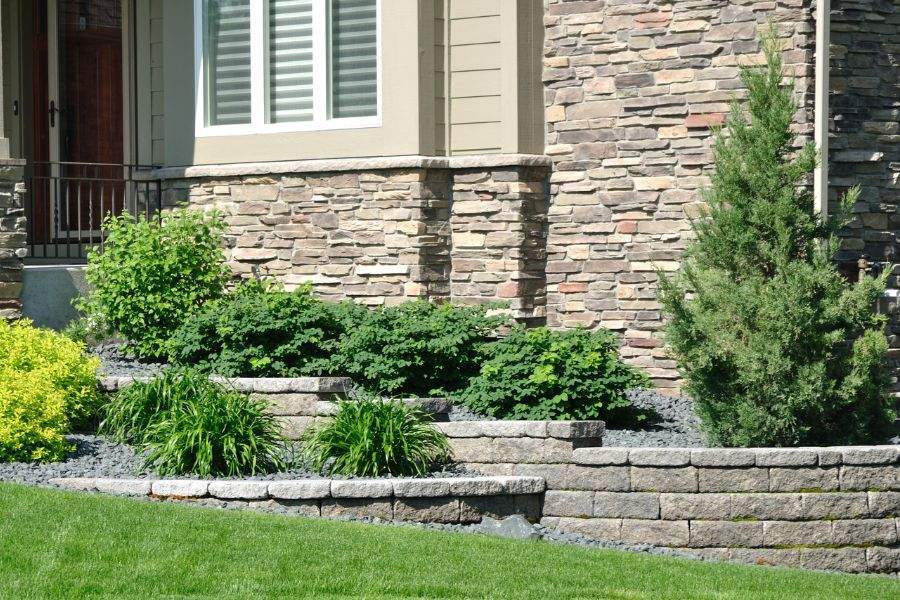
A properly designed wall can turn an uneven or sloped terrain into a functional space for patios, steps, walkways, planting areas, or lawn sections. In some cases, retaining walls also help protect nearby structures by improving grade control and reducing soil movement around foundations, driveways, and other outdoor landscaping features.

Aesthetic and design value

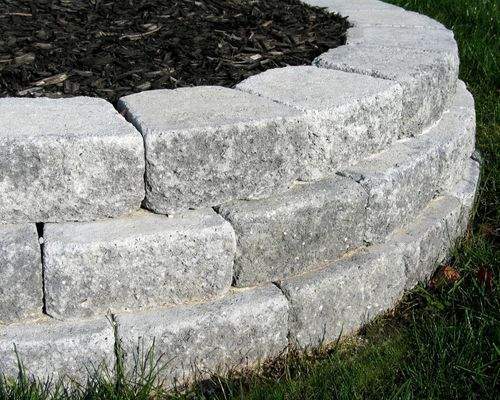
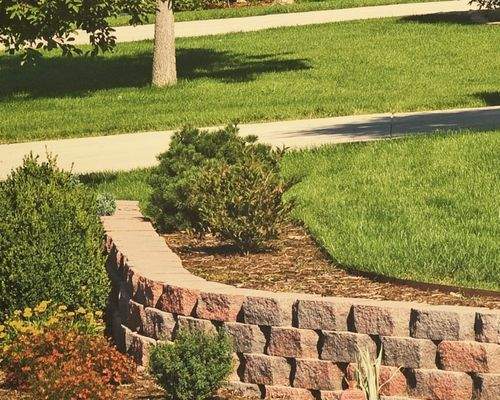
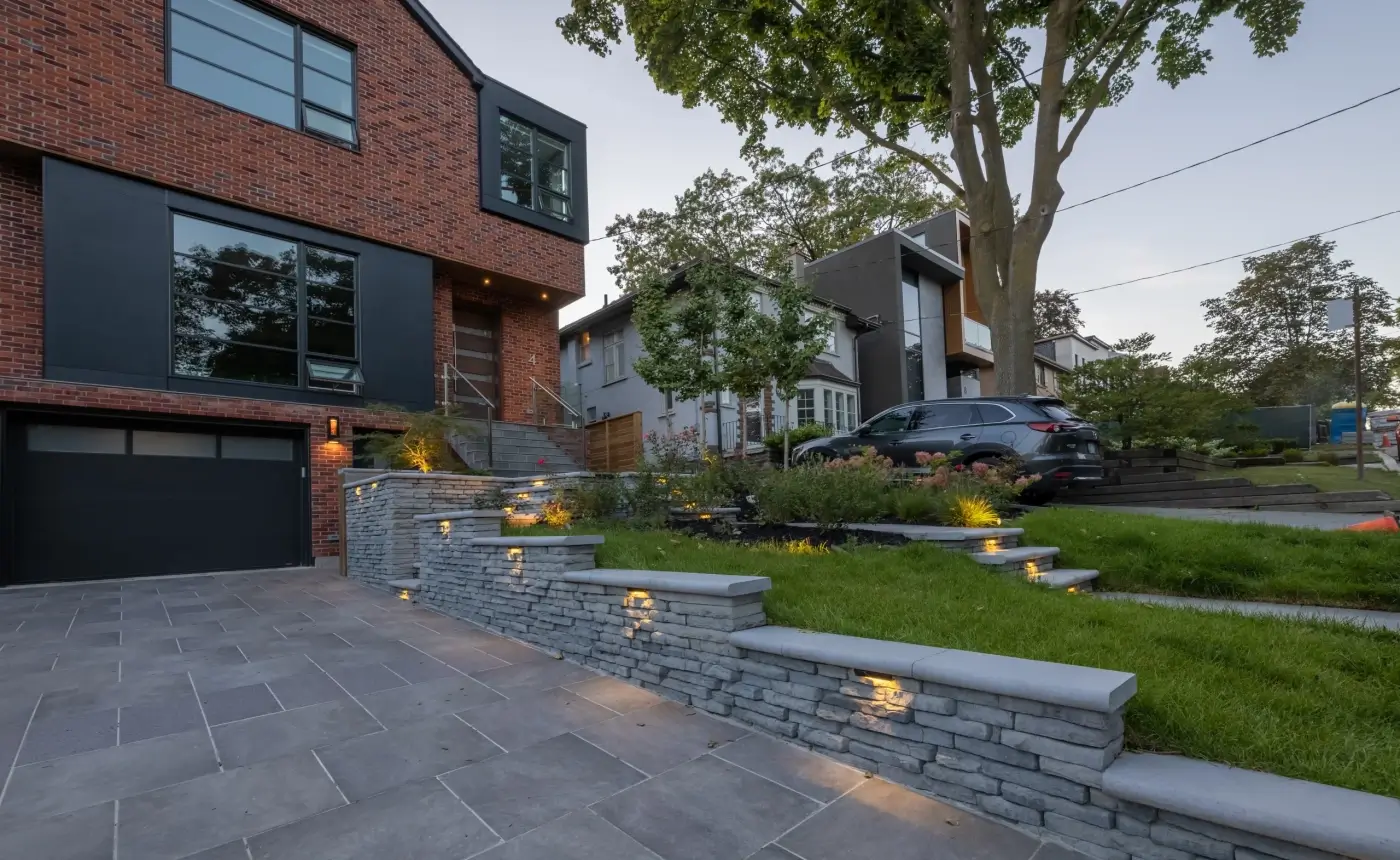
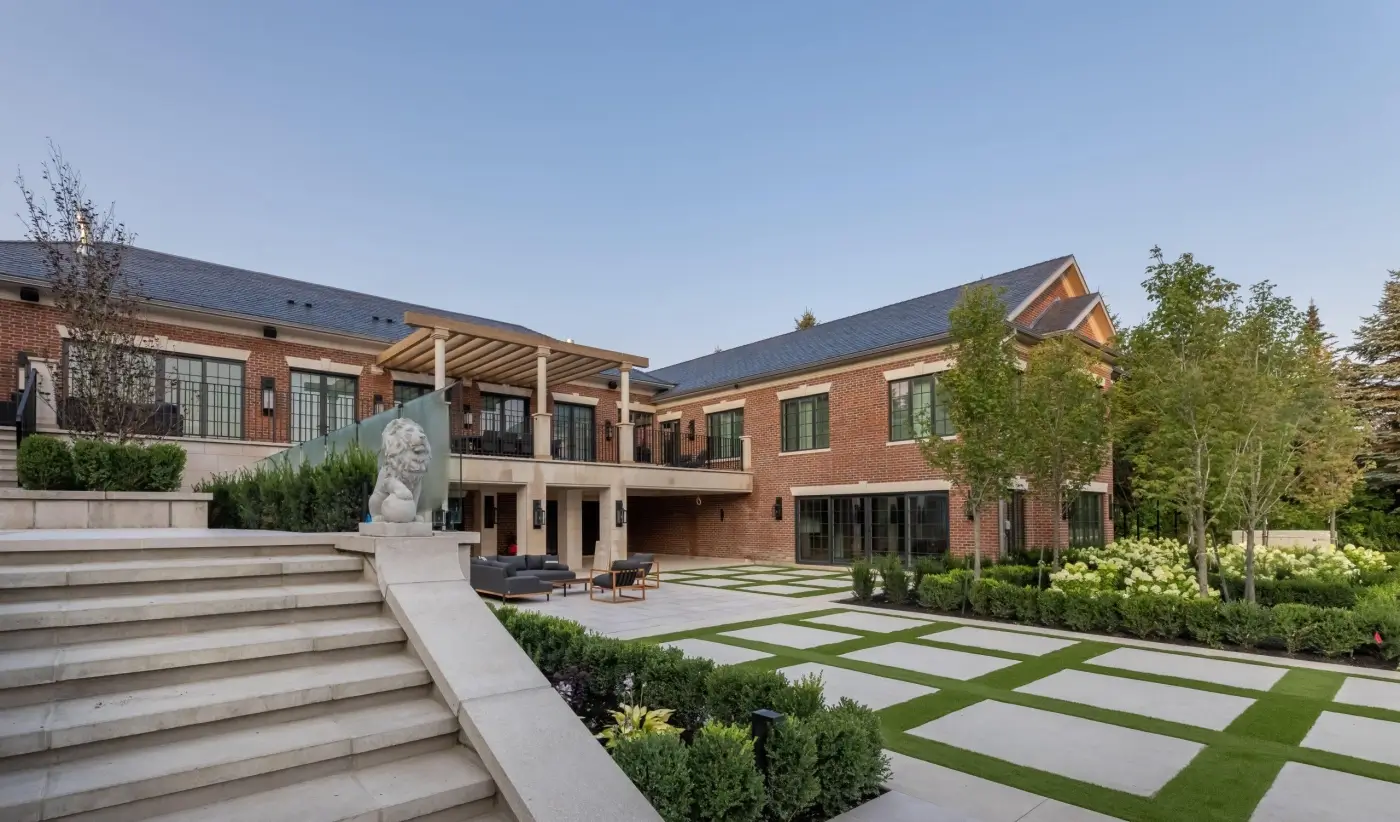
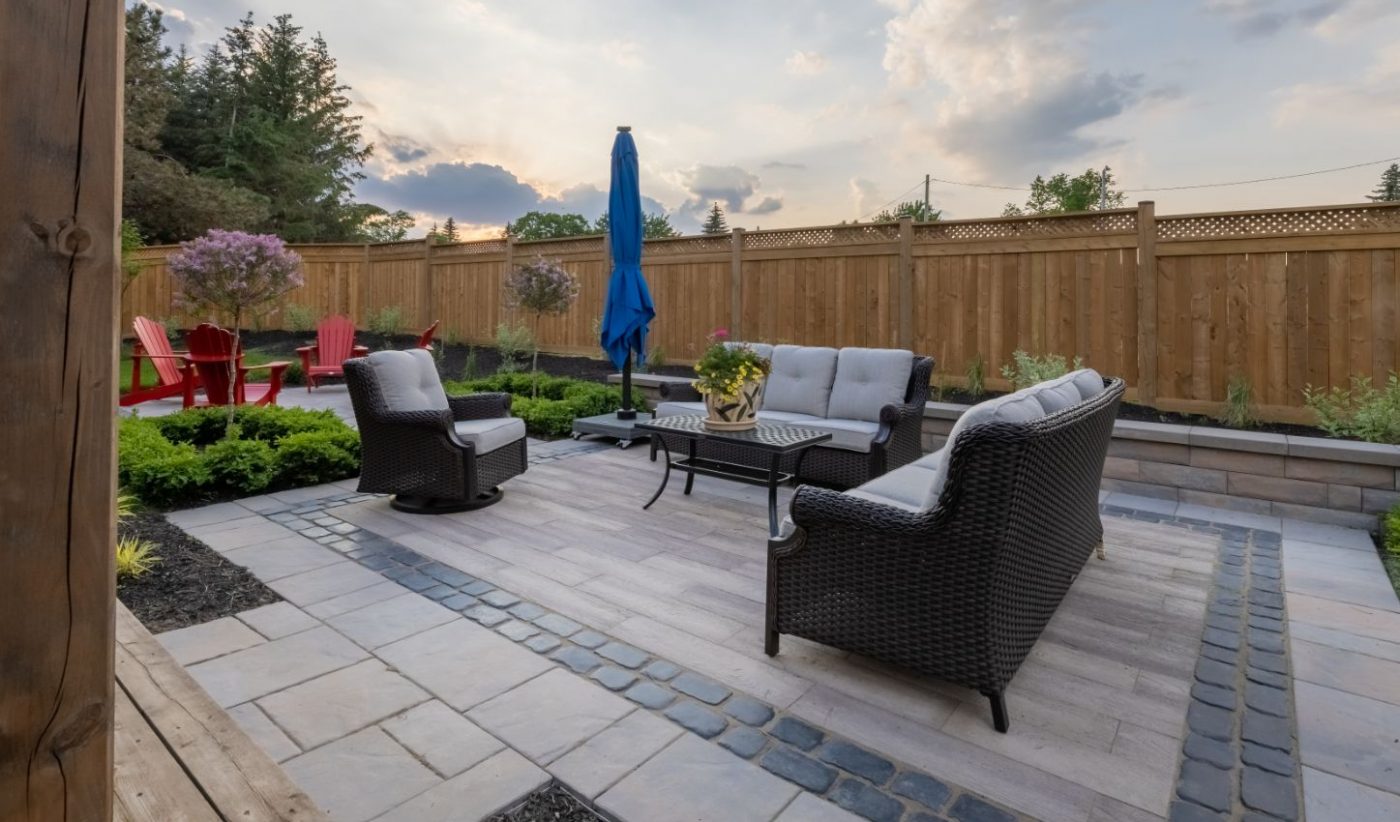
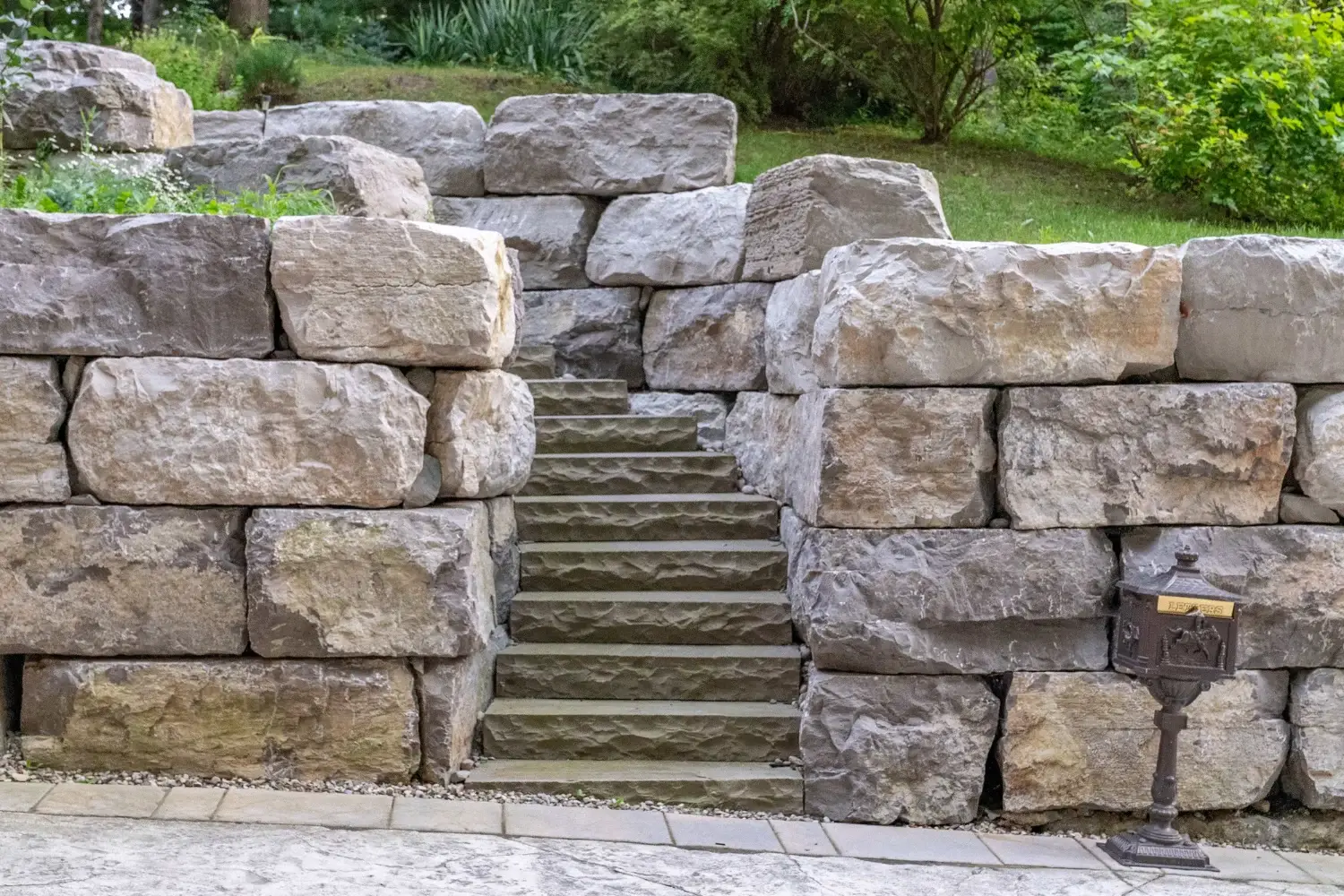
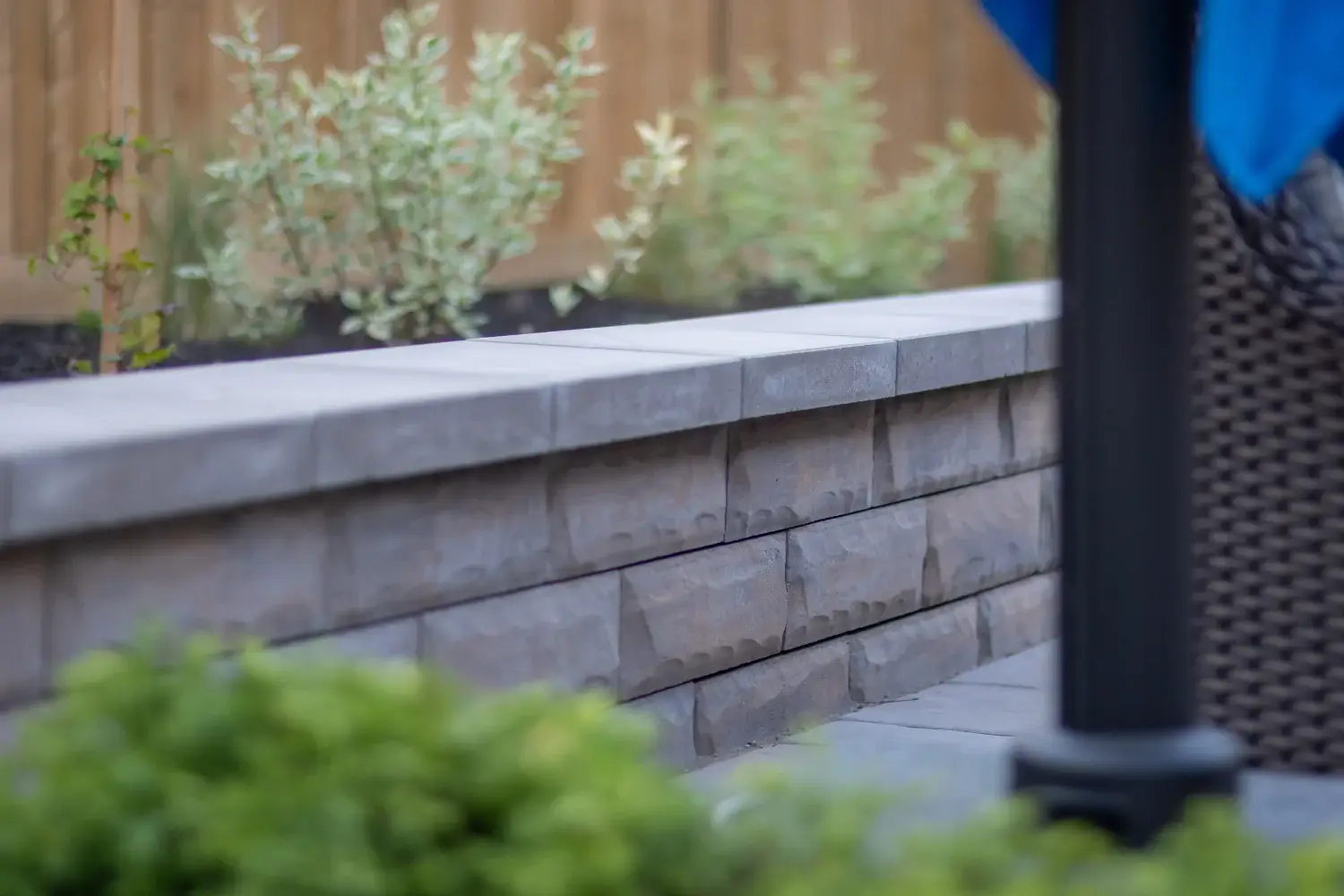
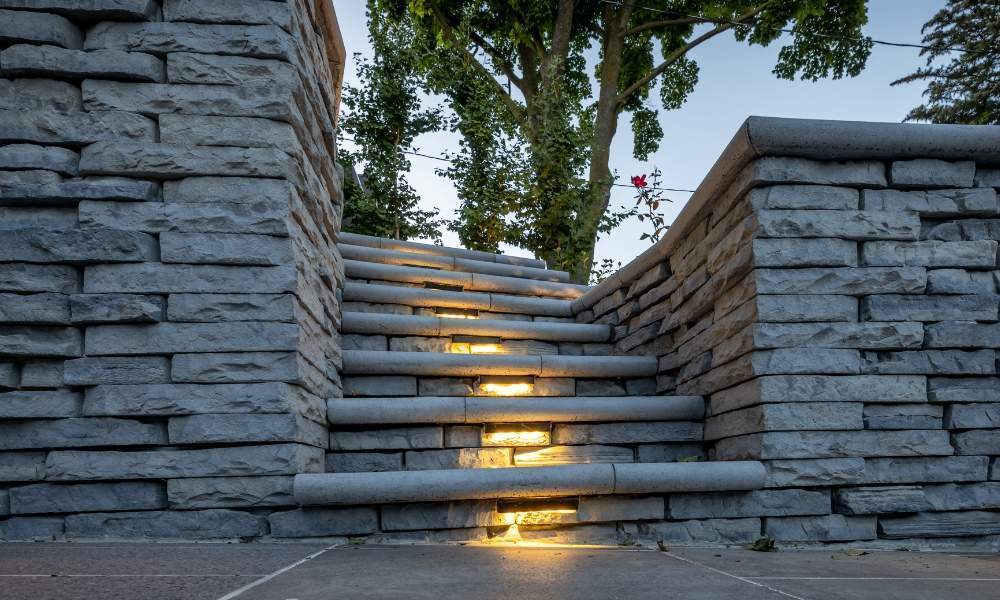
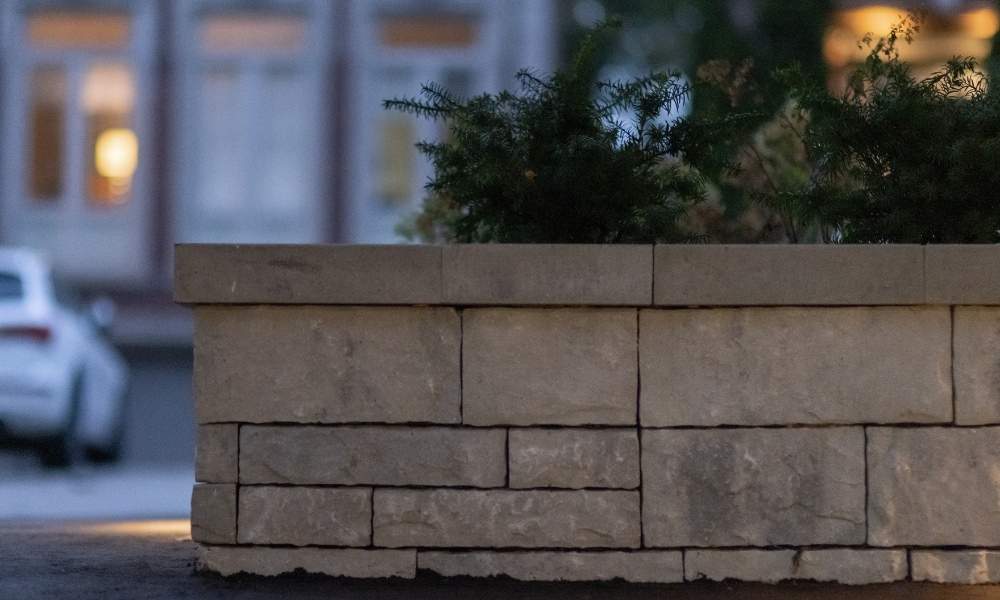
Retaining walls also improve curb appeal and backyard design by creating raised garden beds, framing outdoor living areas, supporting seat walls, and adding definition to your landscape. Our team can also build modern curved or straight segmental wall systems for planters, steps, and terraced layouts.
Retaining Wall Toronto

Proper Base Preparation & Drainage for Retaining Walls

One of the most common reasons retaining walls fail is poor runoff management or improper drainage. When water builds up behind the retaining wall and drainage is missing or inadequate, pressure begins to increase. Over time, that pressure can cause movement, cracking, bulging, or structural failure. In the GTA, freeze-thaw cycles make this even worse, as trapped water expands when it freezes and places even more stress on the wall.

That is why proper drainage is a critical part of every retaining wall. Our team installs a gravel drainage layer behind the wall to help water move downward instead of building up behind the structure. At the base of the retaining wall, we can also install a weeping tile system using perforated pipe to collect and direct water away from the retaining wall.

Base preparation matters just as much. Retaining walls should never be built directly on soil. A stable installation should begin with excavation (6-12 inches), followed by geotextile installation to separate the soil from the base material and stabilize the base. Next, we install and compact a gravel base, which helps create the support needed for long-term structural stability of your retaining wall.

Retaining Wall Contractors

Retaining Wall Contractor in Toronto

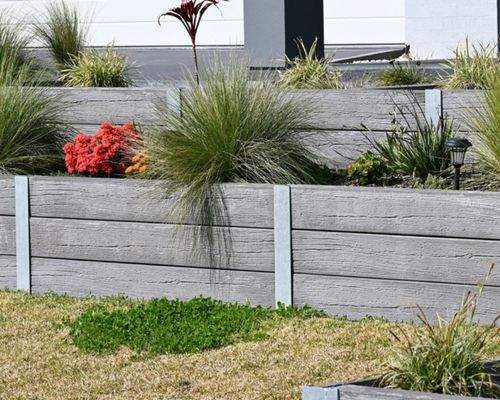
Retaining walls can be constructed in four ways: gravity walls, piling walls, cantilever walls, and anchored walls. The most popular retaining wall methods in landscaping are gravity and cantilever walls. 

Gravity retaining walls depend on their own weight and the base on which they are built. They can be built with masonry bricks, concrete blocks, or poured concrete. The stones or the bricks may be glued together using construction adhesive or cement. On the other hand, cantilever retaining walls are usually made of reinforced concrete or mortared masonry. These walls are typically supported from the back or front to improve their strength.

Our in-house certified designers will work closely with you to compare various retaining wall options based on the property’s needs, land grading, the intended wall function, and the overall landscape design. We will carefully review the site and recommend or construct a retaining wall that balances structural performance and aesthetic appeal.

Retaining Wall Installation Done Right

Step 1: Site Review and Structural Assessment

Before a retaining wall construction starts, we review the grading, soil conditions, drainage patterns, desired wall height, retained load, and the overall function of the wall. We also determine whether the wall will support sloped ground, levelled areas, steps, patios, planting beds, or other outdoor features.

Step 2: Excavation and Base Preparation

Once the layout or design plan is in place, we excavate 6 to 12 inches to create room for a proper foundation. Proper excavation is essential because retaining walls should never be built directly on soil. At AHS, we build retaining walls that match municipal-level standards for long-term structural stability.

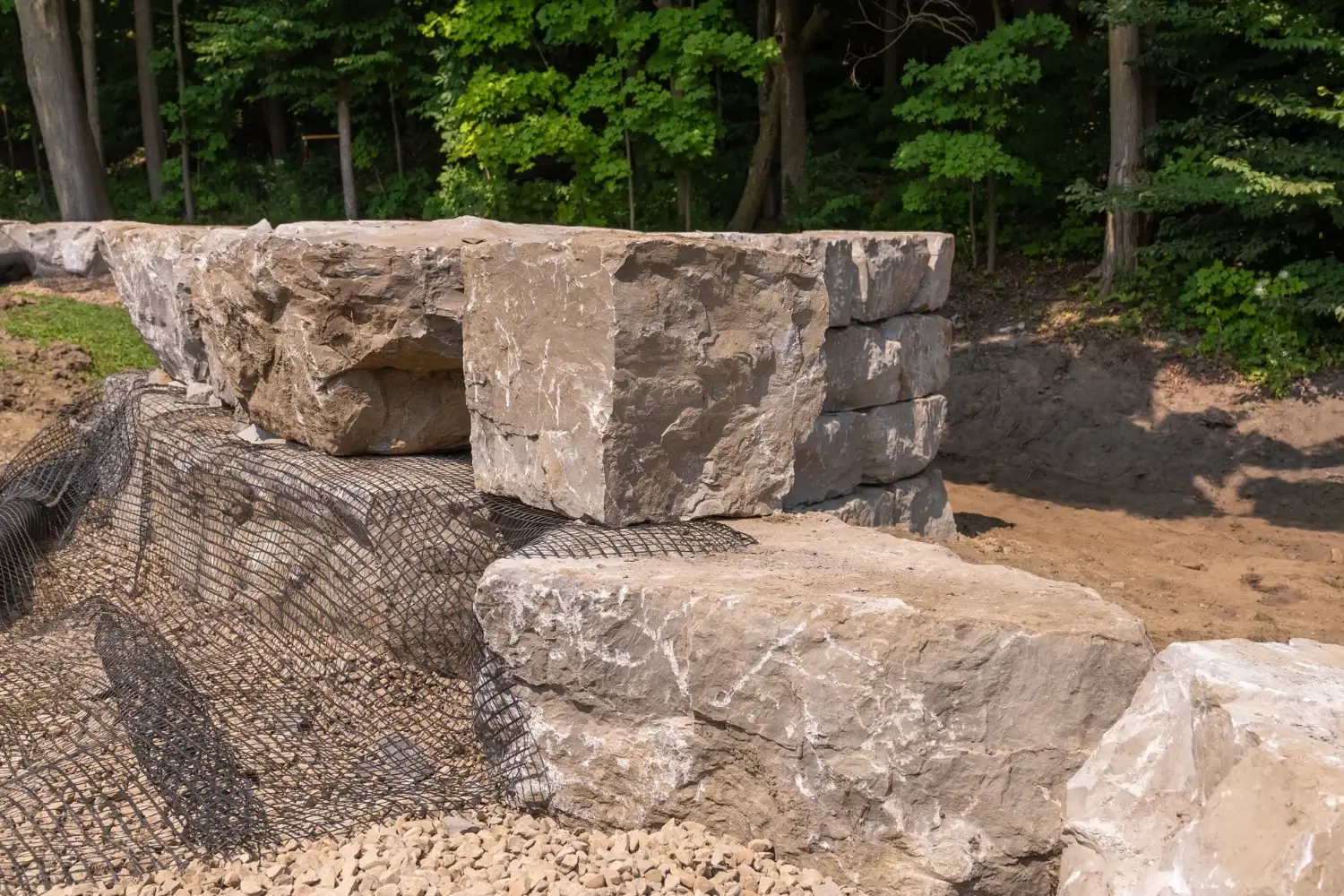
Step 3: Geotextile Installation & Gravel Base Compaction

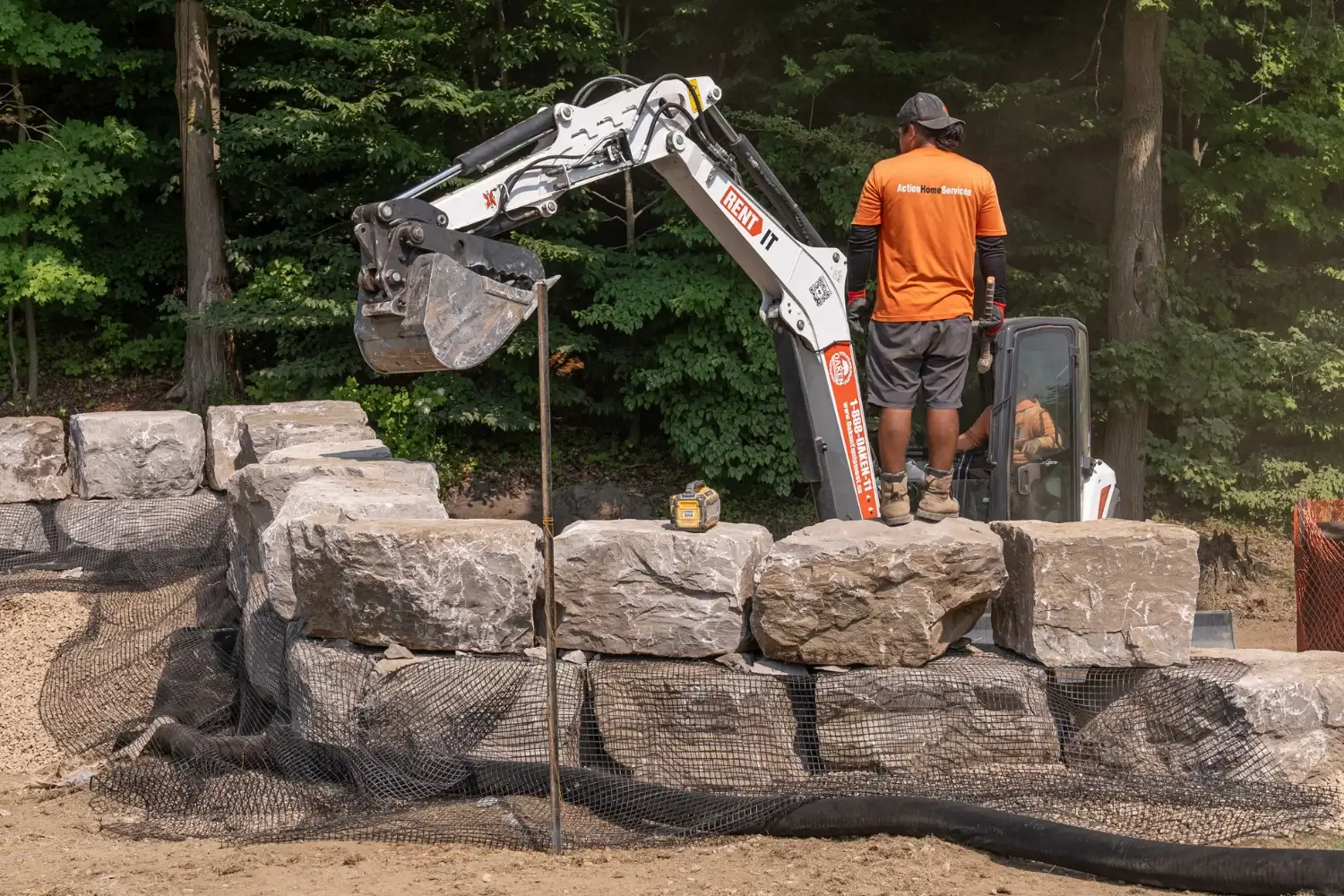
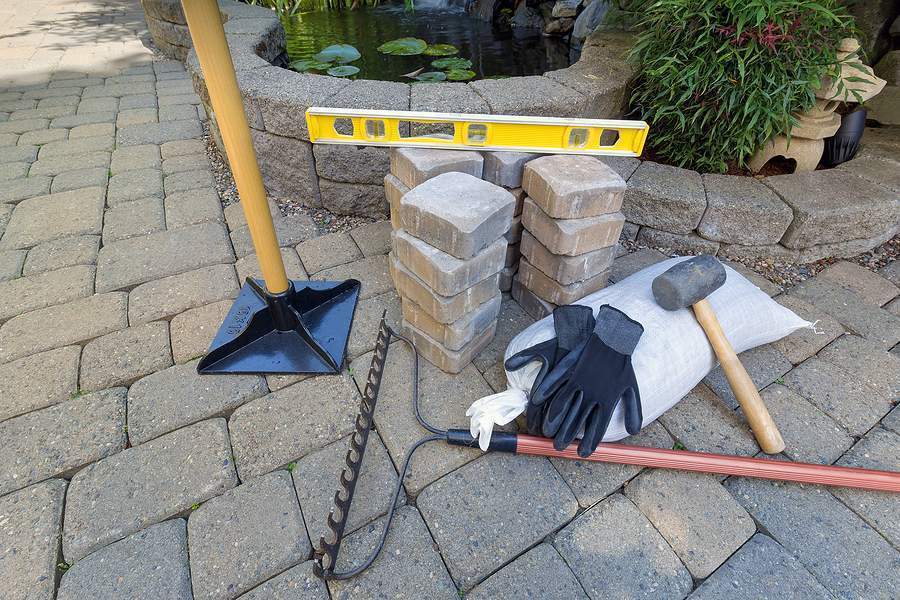
Once excavation is complete, we install geotextile fabric to help separate the soil from the base material. This reduces contamination and helps stabilize the base over time. Next, add and compact gravel using a commercial-grade, 2,000 lbs. equipment to create a strong, level, and stable foundation for the retaining wall.

landscaping design with retaining wall

Step 4: Drainage System Installation

Many retaining walls fail because of water buildup behind the wall, lack of drainage, and repeated freeze-thaw expansion during seasonal temperature changes. To help prevent this, we install a gravel drainage layer behind the wall so water can flow down instead of building up pressure behind the structure. We also install a weeping tile system using perforated pipe at the base of the wall to collect water and direct it away safely.

Step 5: Wall Construction and Reinforcement

Depending on the wall type, additional reinforcement systems may also be required. Segmental retaining walls may use GeoGrid for engineered support and improved load distribution. Post retaining walls may require a deadman system to help anchor the wall and resist forward pressure from the retained soil.

Step 6: Final Grading

After the wall is constructed, we complete the final grading, confirm drainage performance, and review the finished installation to make sure everything functions as intended. At Action Home Services, we build retaining walls with the level of care, preparation, and reinforcement expected in municipal-level construction standards.

Retaining Wall Repair

Low-Maintenance Retaining Walls

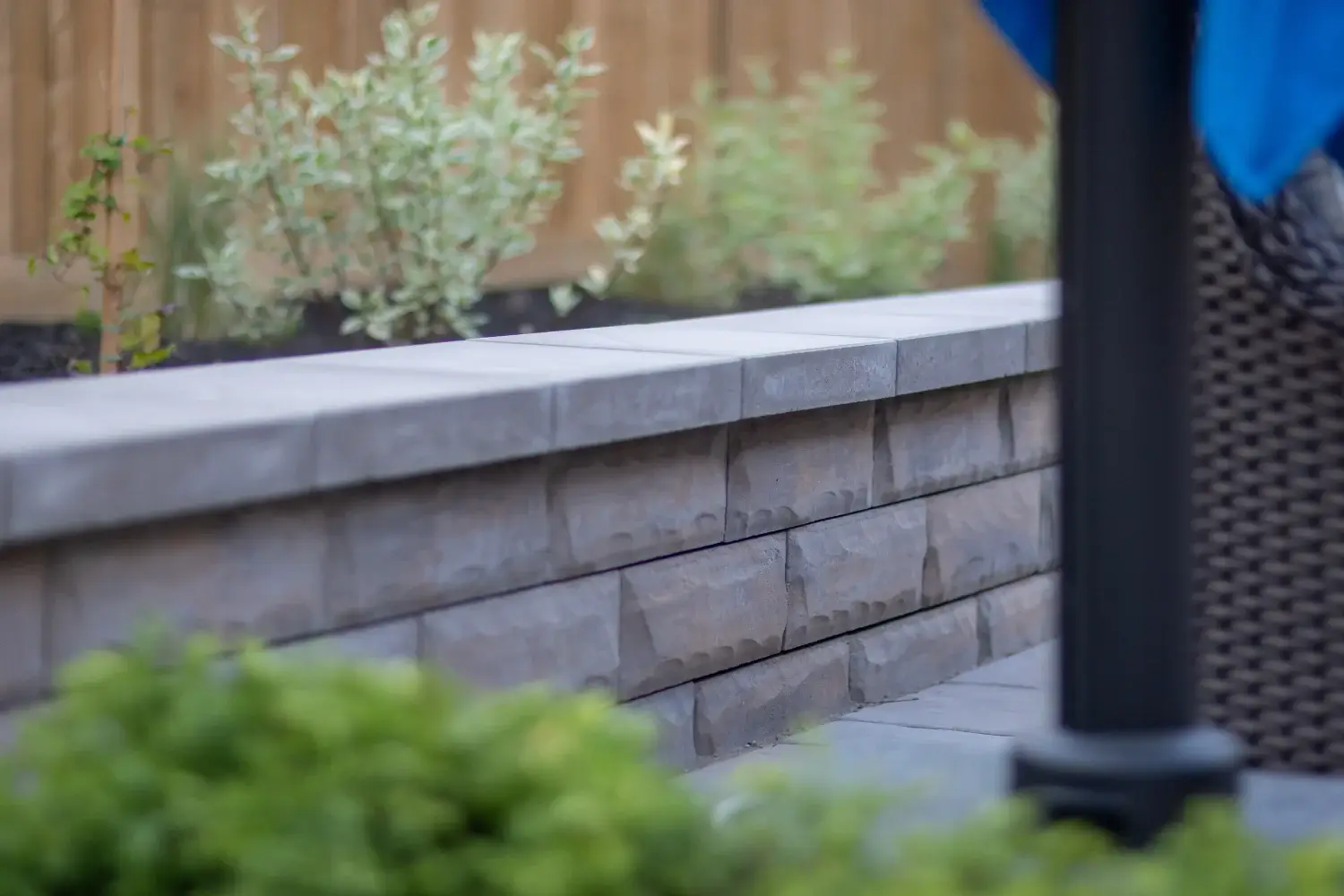
Installing an interlock retaining wall is a great way to spruce up your outdoor space while also providing additional functionality and durability. These walls come in a variety of shapes and sizes, so you’re sure to find one that perfectly complements your landscape design goals.

Additionally, retaining walls require minimal maintenance, so you won’t have to worry about them needing frequent repairs or replacements down the line! If you’re looking for a way to add some visual interest and functionality to your yard, then look no further than installing an interlock retaining wall today!

Retaining wall services

Retaining Wall Repair Services

Ensuring that your retaining walls are properly looked after is an essential part of any home maintenance. The purpose of a retaining wall is to hold in any lateral pressure from soil pushing against it. Retaining walls can be made out of a variety of premium materials, including concrete, stone, wood, masonry, steel, and brick.

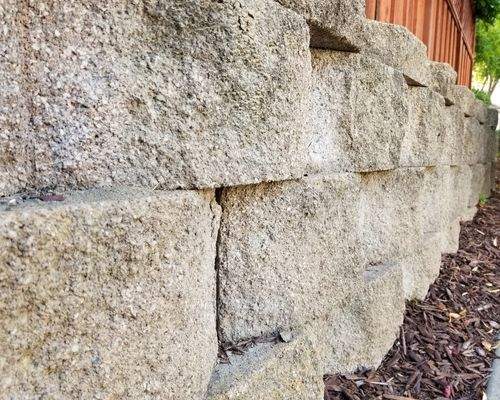
Usually, the signs that a retaining wall is damaged and needs repair are obvious. They are also easy to ignore. The sooner you identify a problem and have a team of retaining walls repair experts fix it, the easier and cheaper the job will be. It is vital that you know how to spot if your retaining wall is damaged. Here are some indications that would require the help of a retaining wall repair service:

  • Tilting walls
  • Separation of the retaining wall from adjoining walls
  • Forward movement of the wall or wall sections
  • Buckling, cracked, or crumbling walls

How Much Does It Cost to Build a Retaining Wall?

The cost of your retaining wall will depend on several factors, such as the material, size, and complexity of the structure, as well as the site’s accessibility. Generally, for a retaining wall over 2 feet high and 30 feet long, you could be looking at an average of $50-$150 per linear foot for every 6 inches in height.

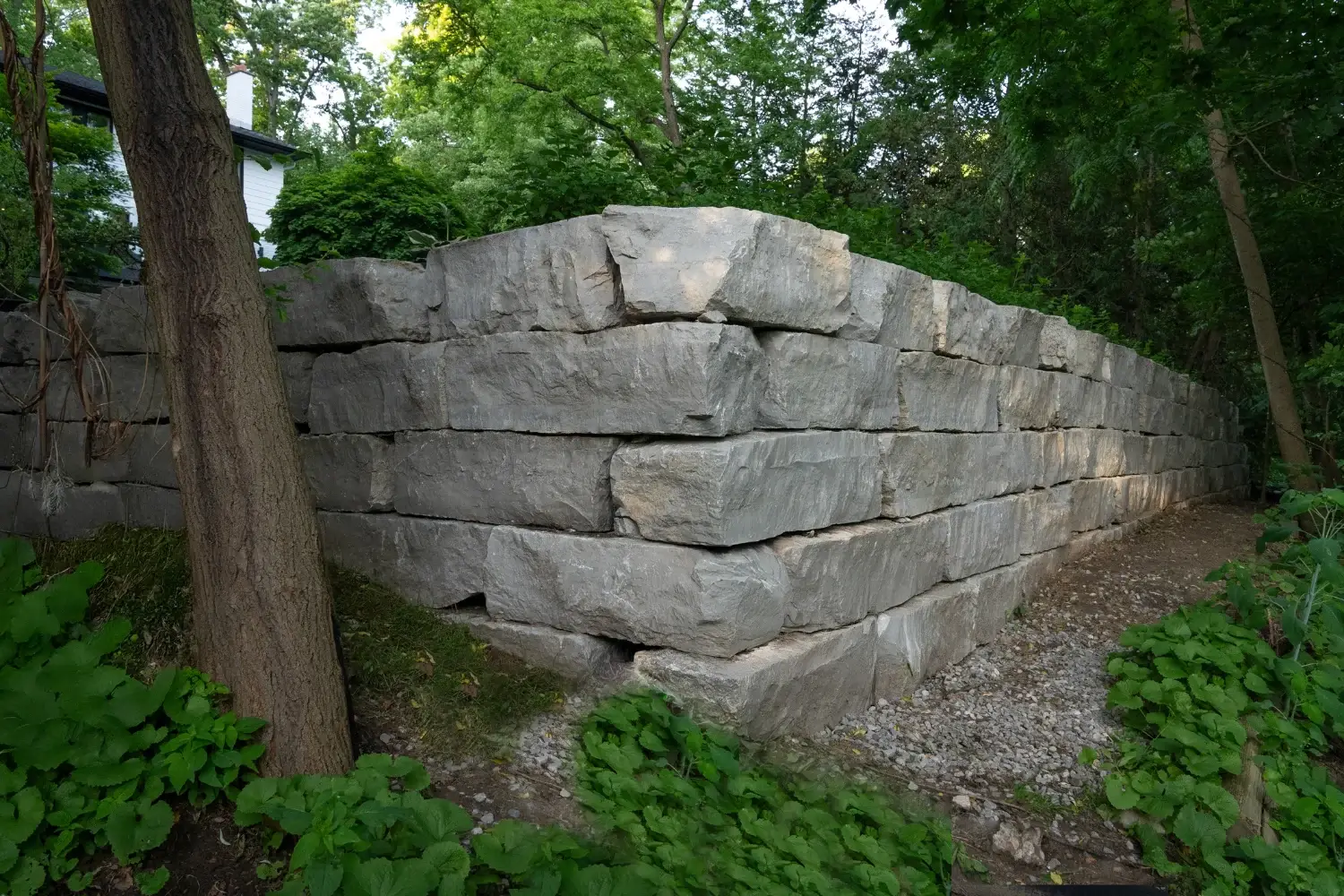
  • Material Selection: There is a range of retaining wall materials to choose from, ranging in cost, with concrete being the most expensive, followed by metal/steel, blocks, armour stone, and wood.
  • Retaining Wall Size: Each material has its own sizing considerations. For example, wooden retaining walls cannot exceed 10 feet in height, or they will become vulnerable to cracking and splintering, whereas concrete retaining walls wouldn’t be efficient or cost-effective for walls under 2 feet high. Additionally, the larger the wall, the higher the materials and labour costs, and the lower the price per unit will be.
  • Complexity of Structure: Straight retaining walls with uniform height are faster and easier to build due to their simple design. Retaining walls with different elevations that connect to steps, gardens, and so on, are more expensive due to the additional time and resources required.
  • Site Accessibility: Heavy equipment is required for excavation in order to properly prep the area for drainage. If the project site is not accessible for the equipment, the time and labour costs will rise significantly. For example, building a retaining wall on the sides of a driveway is highly accessible because equipment and machinery can be maneuvered on the driveway.

Do you need a retaining wall contractor in Toronto? Contact us and schedule a free consultation today.

Check Out Some Of Our Award-Winning Landscaping Projects

King City
concrete steps installation
Elevating an Estate Home: Landscaping Transformation in King City
Interlocking driveway
Patio interlocking
Stone paving
Softscaping
Hot tub
  Pool
Deck
and Gazebo
Pergola and Stairs Installation
Brampton
Interlocking Brampton Lounge
Mississauga
interlocking backyard mississauga
Driveway & Backyard Interlocking Mississuaga
Driveway interlocking
backyard interlocking
walkways
paths
deck
landscaping & more…
Vaughan
Concrete Pools 1 2
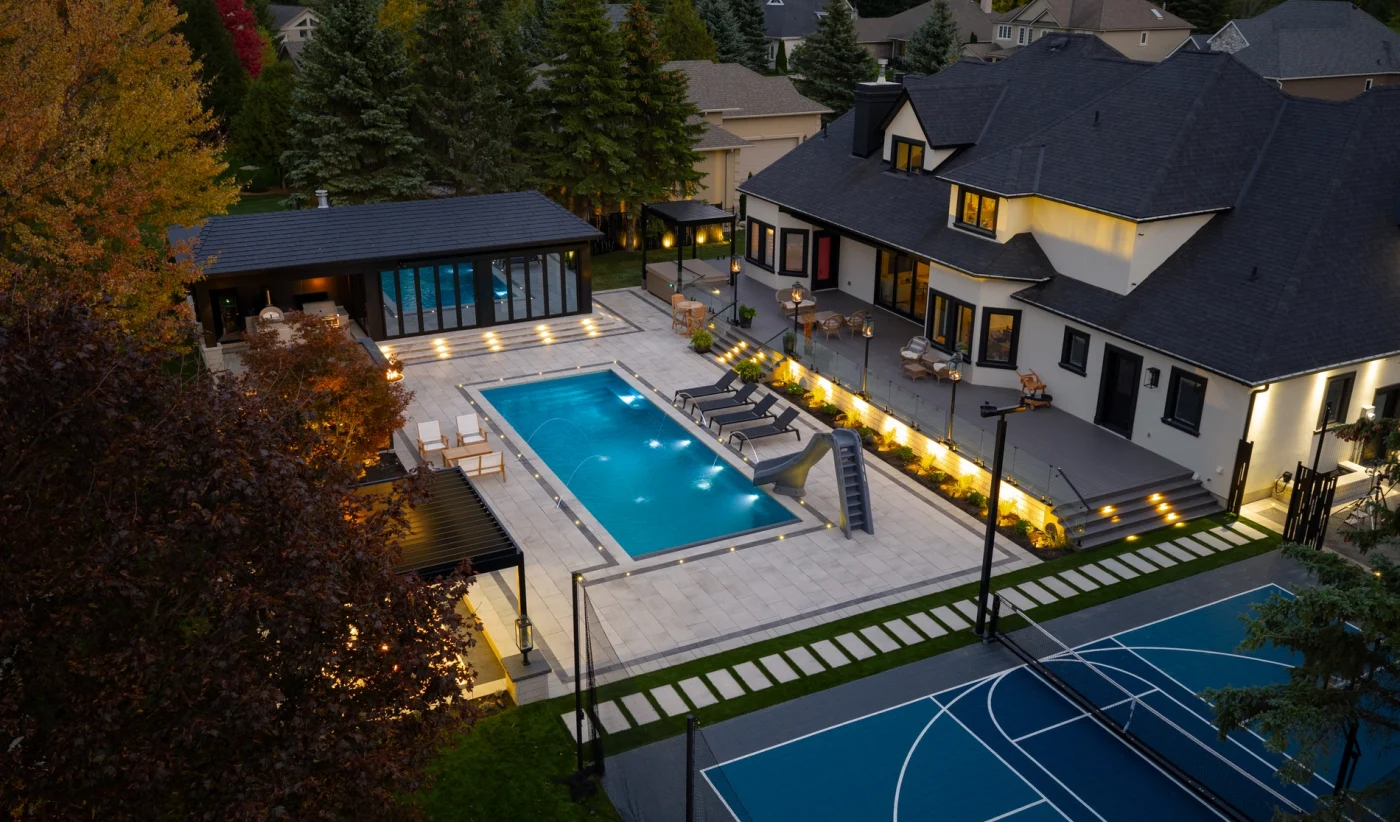
Pool and Basketball Court Backyard Vaughan
Pool
basketball court
backyard
cabana landscaping and more!
Toronto
Swimming pools _1_
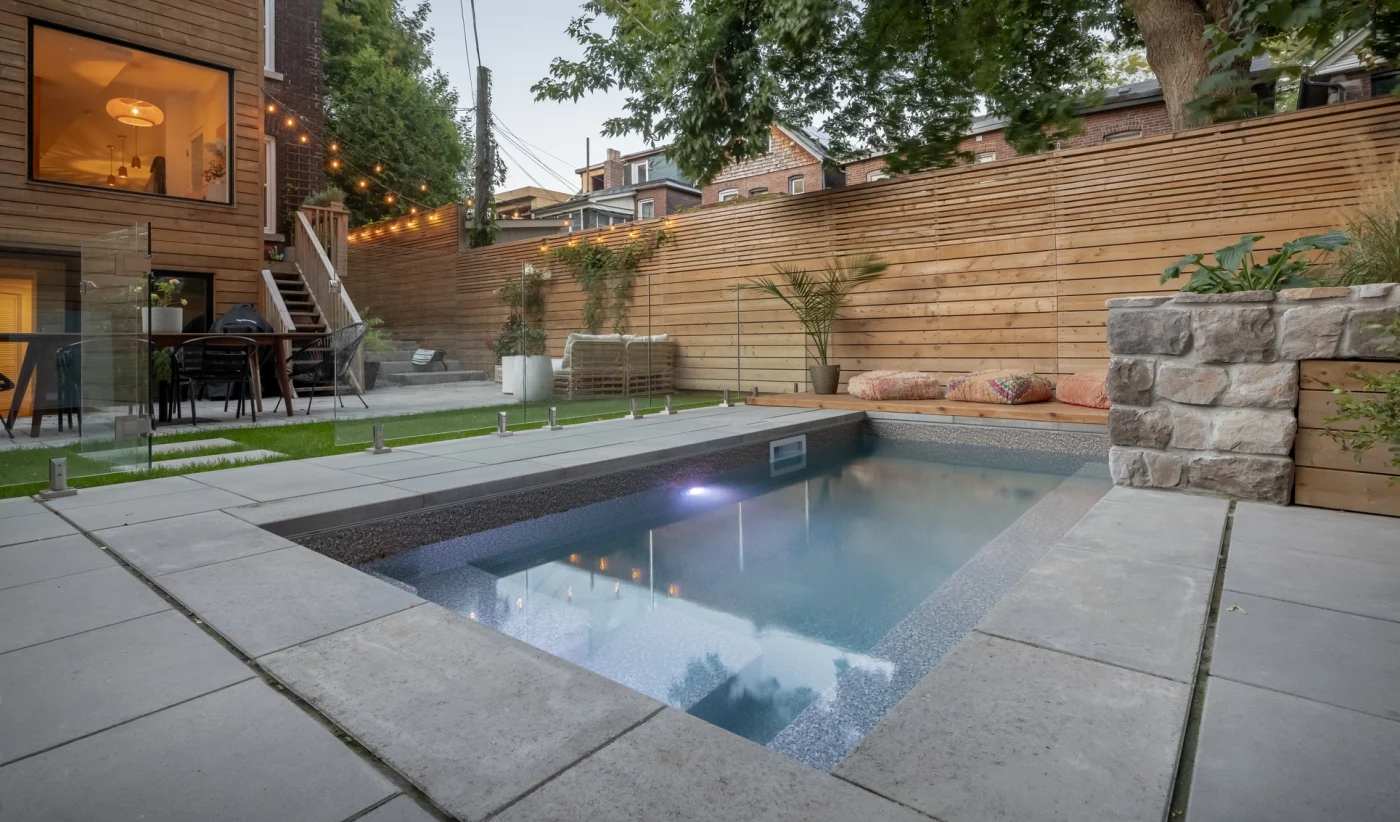
[MODERN STYLE] Complete Backyard and Driveway Remodel
Custom Landscaping
Pool Installation
Interlocking Patio & Driveway
Deck
and Pool House Services
Toronto
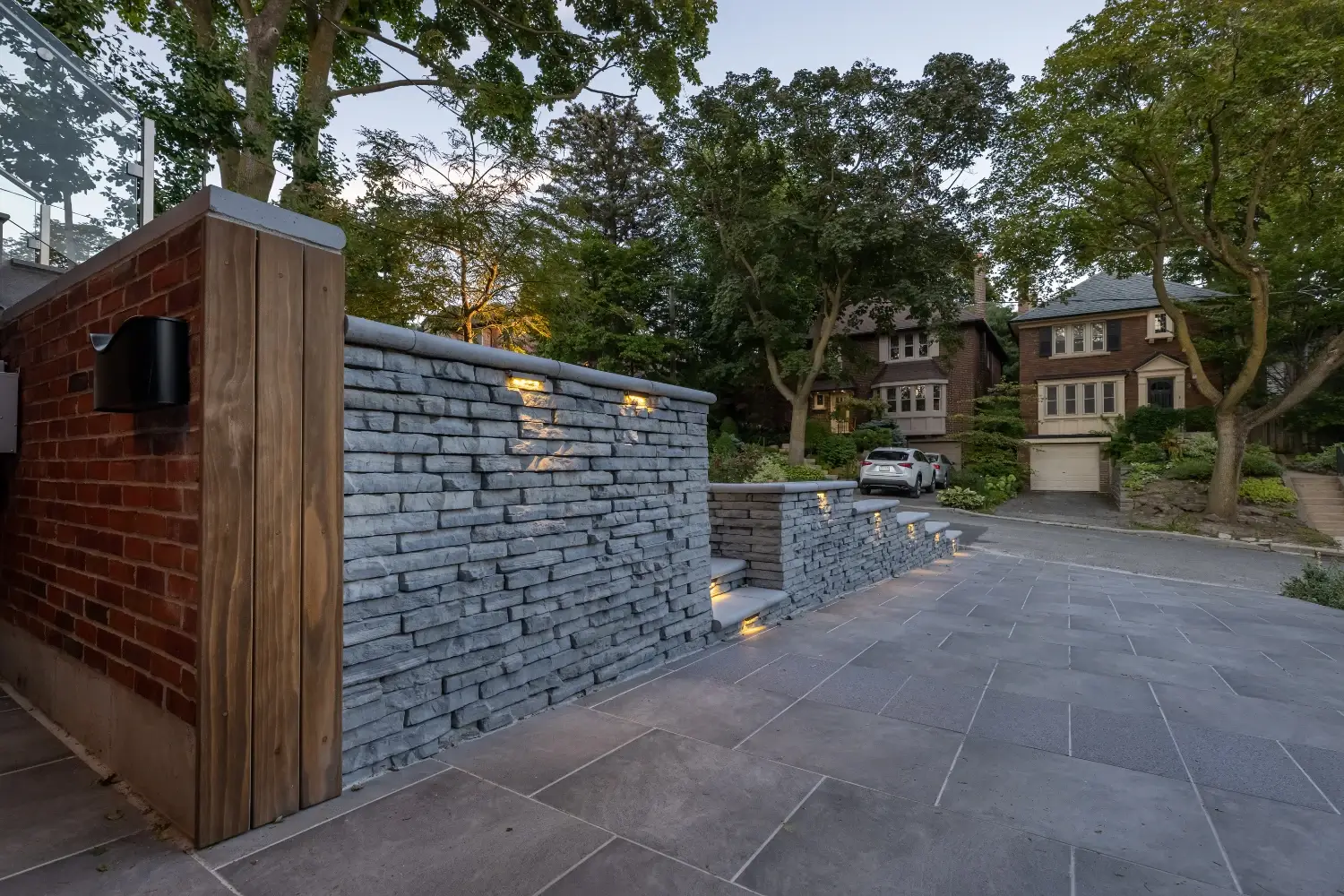
ahs custom retaining wall lighting
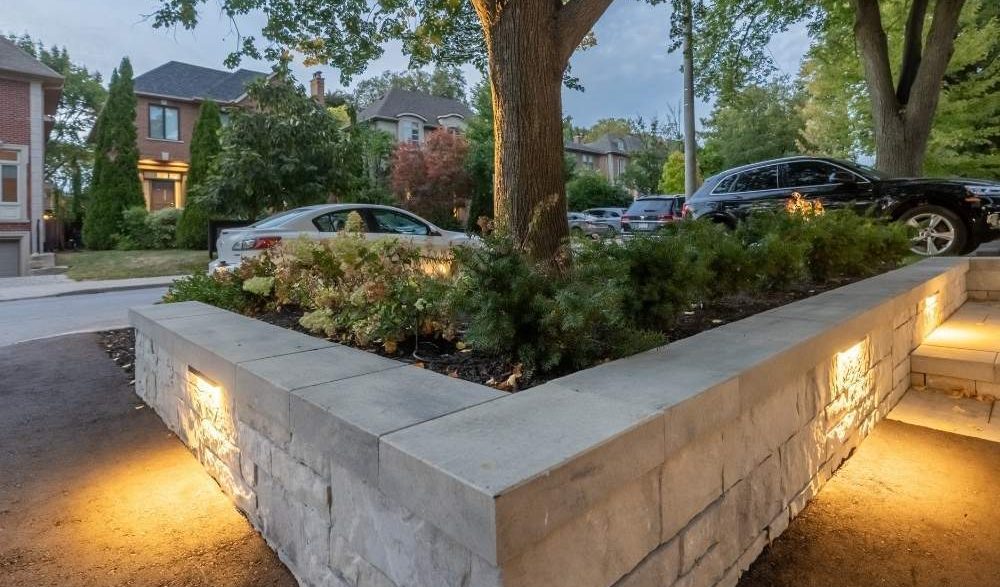
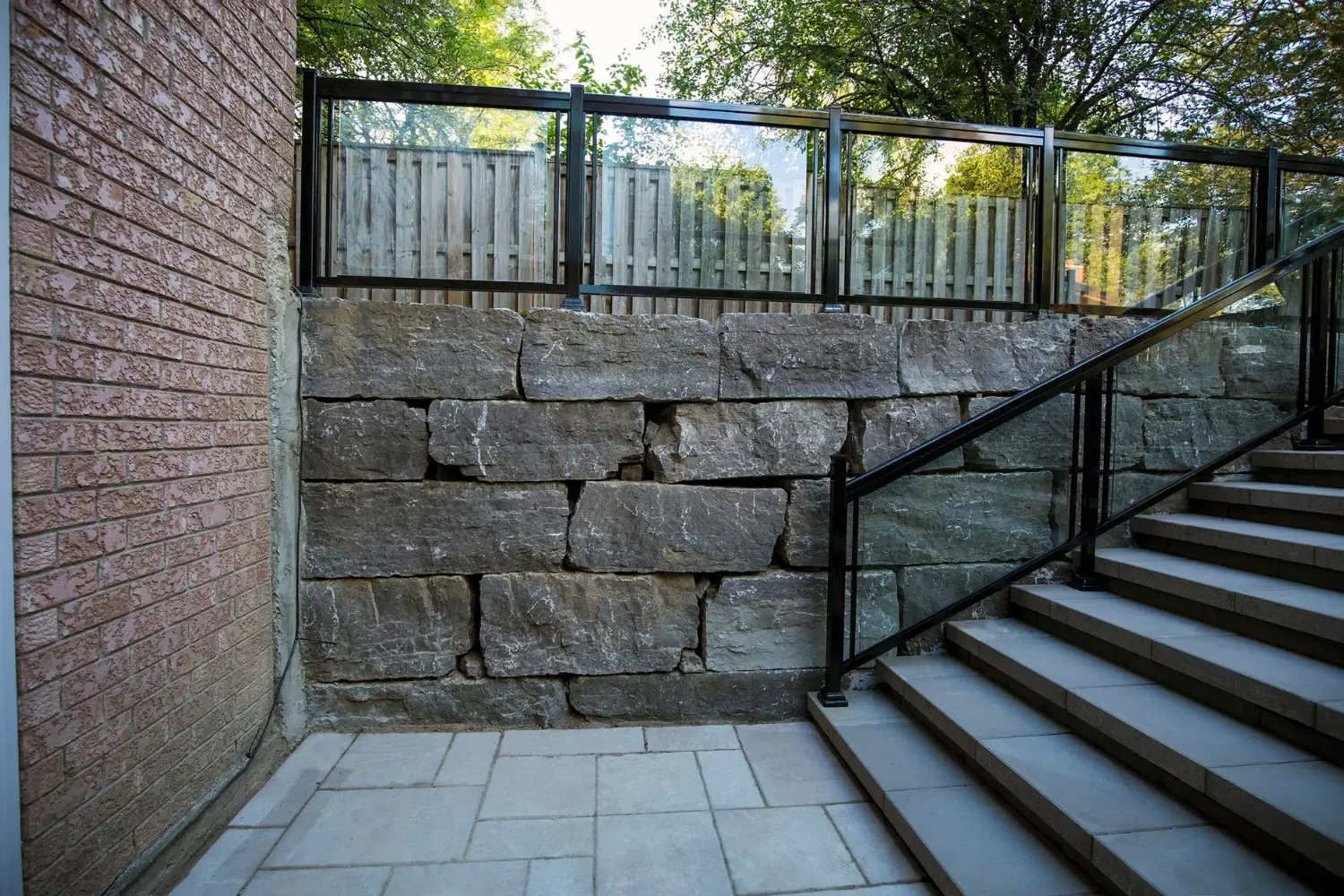
[COMPLETE] Custom Retaining Wall With Glass Railing & Lighting
Custom Interlocking
Patio with Railing and Lighting
Mississauga
concrete pools_3
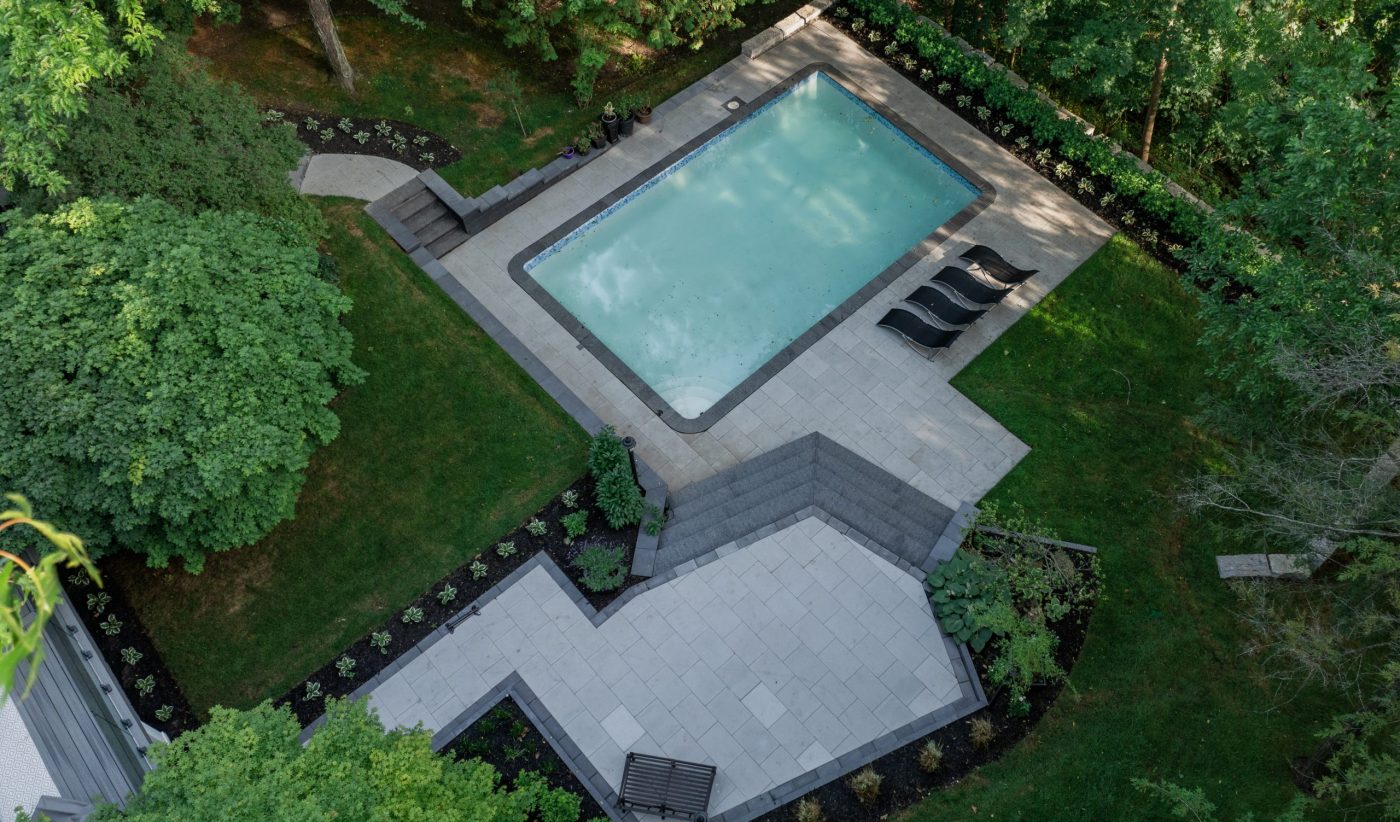
Revamped Backyard Pool Interlocking Design in Mississauga
Custom Patio and Railing
Pool Interlocking
Lighting and Stone Patio
Markham
backyard interlocking markham driveway
Backyard Oasis and Driveway Interlocking in Markham
Driveway and Backyard Interlocking
Mississauga
Outdoor pool and spa
Pool and Outdoor Lounge Mississauga
Pool
patio
backyard
gazebo landscaping and more!

Frequently Asked Questions

?
How much does labour cost to build a retaining wall?

Labour for retaining walls costs around $50-$100 per linear foot.

?
Do I need a building permit for a retaining wall installation in Toronto?

In Toronto, a building permit is generally required for a retaining wall over 1.0 meters high when it is on or beside public property, near building entrances, or on private property accessible to the public. A wall under 1.0 meters on private property usually does not need one. Our team can assess your retaining wall project and determine the correct permits required.

?
Does retaining wall construction require a structural engineer?

A professional engineer is usually required when the retaining wall is treated as a designated structure under Toronto’s permit process. That commonly includes walls over 1.0 metres in exposed height, and projects involving surcharge loads, tiered walls, or steep slope or watercourse. At AHS, our in-house team comprises all the experts needed to handle your entire project. No subcontracting.

?
What are the best materials for a retaining wall?

The best retaining wall material depends on the wall’s height, desired load capacity, drainage needs, and design goals. Common options include concrete wall blocks, poured concrete, natural stone, and boulders. For many residential landscapes, segmental concrete blocks are popular because they combine structural performance, design flexibility, and a clean finished appearance.

?
Which is the best drainage system for a retaining wall?

A strong retaining wall drainage system usually combines free-draining clear gravel behind the wall, filter fabric where needed, and a perforated drainpipe or weeping tile at the base to move water away. This setup helps reduce hydrostatic pressure, limit freeze-thaw stress, and improve long-term wall performance.

?
Can you build retaining walls during the winter?

Yes, certain retaining walls can be built during winter. Segmental block walls, boulder walls, and gabion walls or baskets can be built during the winter months. Note that poured concrete walls need specialized protection in freezing weather, including temperature control and curing measures, to achieve proper strength and long-term performance.

?
Do retaining walls require maintenance?

Yes. Retaining walls require proper maintenance to protect their structure and remain visually appealing. Homeowners should watch for movement, bulging, cracks, drainage issues, soil washout, and damaged caps or joints. Note that proper maintenance may include cleaning, checking outlets or weeping systems, and addressing small problems early to prevent larger repairs.

Our service areas

Serving homeowners across the GTA with professional pool installation, landscaping, and outdoor construction services designed to enhance property value and outdoor living.

BOOK A NEXT DAY DESIGN CONSULTATION
get A FREE estimate For Your Project
Our expert will reach out to you shortly to discuss your vision and provide a detailed quote.
WE REPLY WITHIN
24-48 HOURS