|
Concrete Pools |
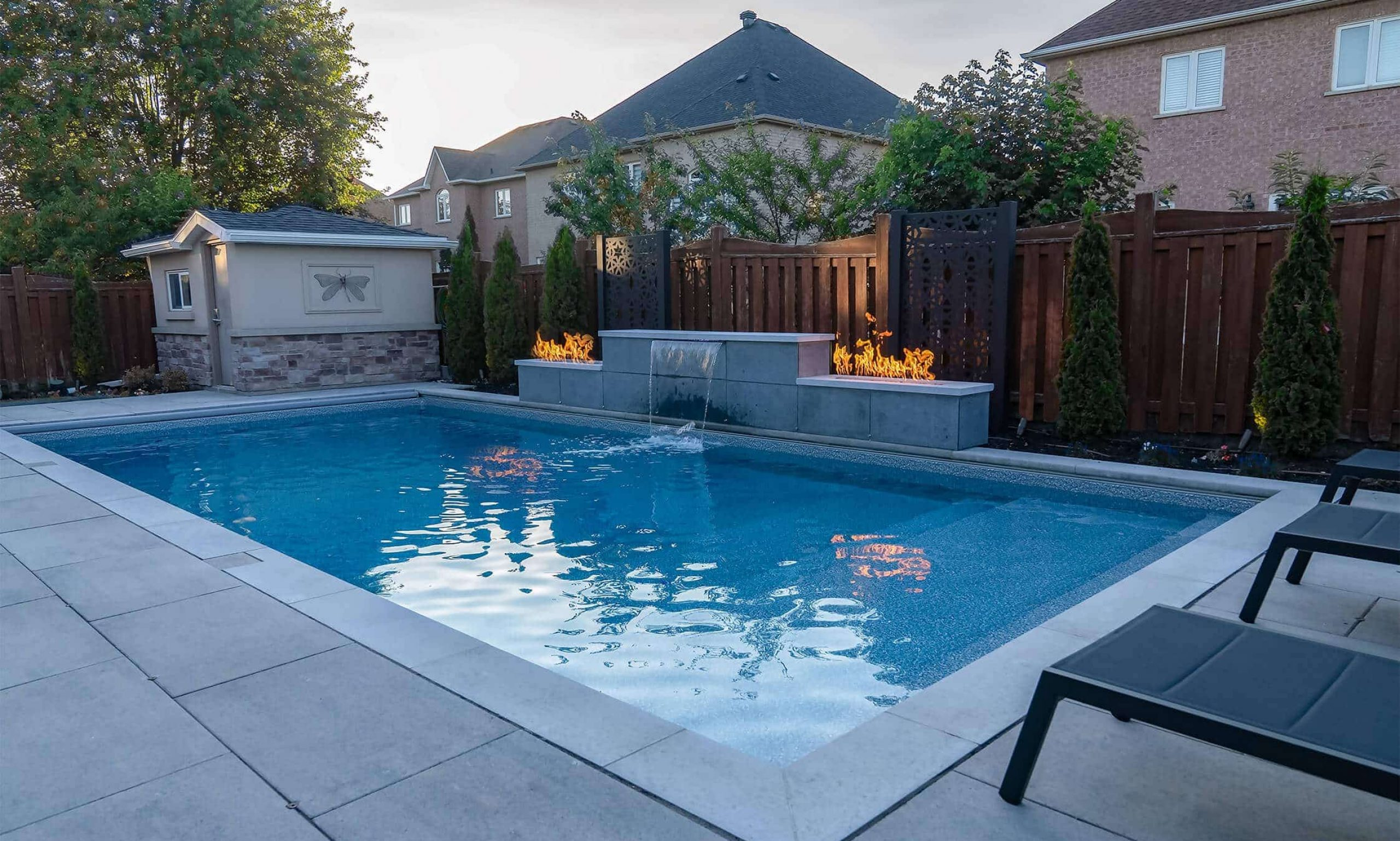
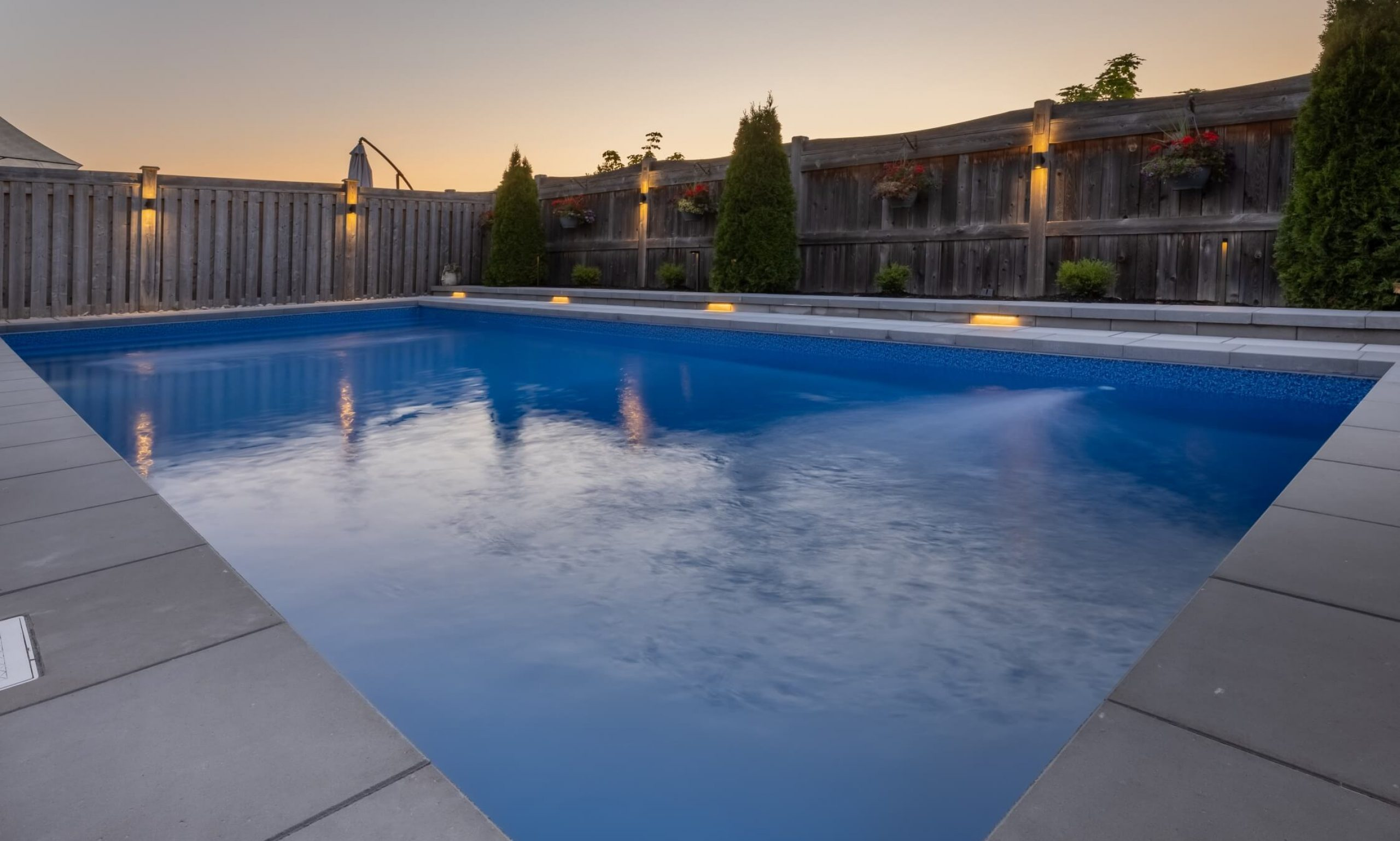
Vinyl Pools |
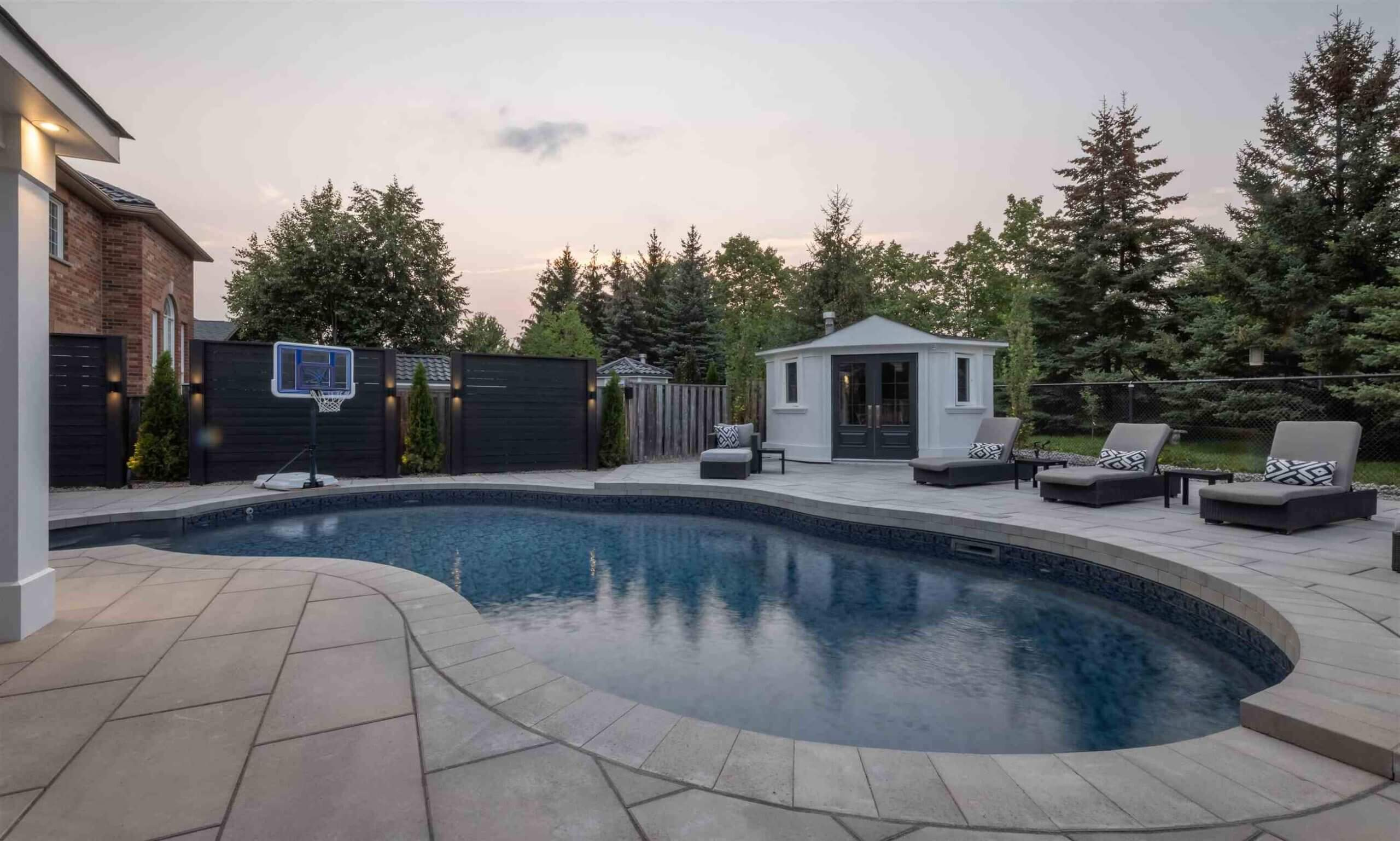
Fiberglass Pools |
ICF Pools |
|
Installation
Speed
|
2–4 weeks.
Concrete pool construction is done entirely on-site. It involves excavation, structural setup, and curing, which can naturally extend the build time. |
3–4 weeks.
Vinyl pool installation can be completed faster than concrete, with a more direct installation process that includes framing and liner placement. |
1 week.
Fiberglass pools can be installed in a short timeframe. The pre-built shell is delivered and set once site preparation is done. |
2 to 4 weeks.
ICF pools follow a similar installation process to concrete pool construction. That means they have a comparable installation schedule. |
|
Interior Finish
Quality
|
Concrete pools offer a high level of design flexibility. A variety of finishes (like aggregate surface, tile, and more) can be applied to achieve a specific look and long-lasting surface.
|
Vinyl features a smooth liner surface that is comfortable and available in different colors and patterns to suit various preferences.
|
Fiberglass provides a uniform, factory-finished surface. It is smooth, durable, and designed for a consistent appearance over time.
|
Allows for different finish options, giving homeowners the ability to select a pool finish or surface that matches their design and performance needs.
|
|
Available
Features
|
Suitable for pool installation projects that require detailed customization. The pool shape, depth, and additional features can be adjusted to fit specific design plans.
|
Supports adaptable layouts and liner choices, offering flexibility without the need for full structural construction, as is the case for concrete pools.
|
Fiberglass pool shells come in predetermined shapes and sizes. All design decisions must be made before installation, as changes are not possible afterward.
|
Combines reinforced construction with insulation benefits, supporting efficient pool performance and flexible finishing options.
|
|
Yearly Cost
|
Ongoing costs for concrete pools are generally higher due to the need for regular maintenance, water balancing, and surface care.
|
Yearly maintenance costs for vinyl liner pools for vinyl liner pools are lower. The pool is easier to manage and does not require intensive upkeep.
|
Fiberglass pools require the least annual maintenance costs. Their smooth surface helps reduce maintenance effort and limits chemical use.
|
ICF pool maintenance costs vary depending on the interior finish selected, but maintenance remains moderate overall.
|
|
Durability
|
Concrete pools are built for long-term use. With proper maintenance, concrete pools can remain in good condition for more than 100 years.
|
The structure for vinyl pools is durable, while the liner will need to be replaced every 8 to 10 years to maintain performance.
|
Fiberglass pools are expected to last 20 to 40 years. Surface wear cannot be refinished, so replacement may be needed over time.
|
ICF pools are structurally strong, similar to concrete. The overall durability depends on the type of finish applied inside the pool.
|
|
Maintenance
|
Requires regular care to maintain the surface and prevent issues over time. Consistent care is important.
|
Maintenance is straightforward, though the liner should be monitored and replaced when necessary.
|
Low maintenance overall. The smooth surface makes cleaning easier and reduces buildup.
|
Maintenance depends on the finish type. Vinyl options are easier to manage, while marbelite requires more attention.
|
|
Cost
|
Ranging between $150,000-$500,000.
|
Ranging between $60,000-$150,000.
|
Ranging between $70,000-$150,000.
|
Ranging between $150,000-$500,000.
|
















 Project Estimate


 View Our Gallery